Pain management looks deceptively straightforward from the exterior. Give an analgesic, reassess, discharge. In real technique, it is among one of the most nuanced parts of nursing. Patients show up strained with worry, facility comorbidities, polypharmacy, and a background that might include opioid reliance or undertreated discomfort. You juggle physiology, legislation, documentation, and human emotion, frequently under time stress. That is the context for PUAEME008, the Australian system of proficiency that focuses on delivering discomfort alleviation in emergency and pre-hospital setups. If you are considering discomfort monitoring training courses, aiming for a discomfort management certification, or choosing brief training courses suffering management to hone your edge, it pays to recognize what this system covers and how to turn it into everyday competence.
What PUAEME008 really implies in practice
PUAEME008 is typically described as "Provide pain monitoring." In several services it is a requirement to administer certain anesthetics under protocol, specifically breathed in representatives and some parenteral choices through standing orders. While precise medicine extents vary by jurisdiction and company, the core of PUAEME008 offer pain management is much less about the particle and more about secure, reliable systems:
- Assessment that separates discomfort as a symptom from discomfort as a disorder. A person with squashing upper body discomfort is not the same as a person with musculoskeletal strain. Risk triage for warnings: shock, neurovascular concession, compartment syndrome, sepsis, head injury with deteriorating GCS, and feasible drug-seeking behaviors that can shadow assessment. Analgesic choice matched to system, extent, comorbidities, and environment. The "ideal medicine" depends upon whether you have oxygen, surveillance, IV gain access to, and the skills to save the airway. Monitoring and titration to effect, not to routine. Repeat evaluations drive dose decisions and escalation. Documentation that defends your clinical reasoning and satisfies medicolegal standards.
Successful candidates in a PUAEME008 provide pain management course show that they can use these concepts under anxiety, not just recite them in a classroom.
Where registered nurses experience PUAEME008
I initially finished the system during a change from ward nursing to blended ED-ambulance work in a country solution. We did not have immediate medical cover after hours. Analgesia choices had consequences, and the nearby tertiary medical facility rested 90 mins away along roads that cold over by twelve o'clock at night. PUAEME008 accredited me to give inhaled methoxyflurane, titrate fentanyl under protocol, and escalate for ketamine with medical examination. That extent will certainly vary, however the framework really felt universal.
Nurses meet this system in three major contexts:
- Pre-hospital or retrieval environments where standing orders require a proficiency like PUAEME008 to carry out analgesia without a prescriber on-site. Emergency departments and urgent care facilities where nurse-initiated analgesia pathways exist. Remote and rural centers where nurses manage pain during extended transport intervals.
Even if your setting maintains analgesic management purely under medical orders, the evaluation, tracking, and documentation parts of the device boost your practice and decrease professional risk.
Competencies you have to demonstrate
An excellent discomfort monitoring course that straightens to PUAEME008 will not be a slide show of medication truths. Expect to show 4 broad proficiencies:
Clinical analysis. You will be anticipated to utilize a verified discomfort scale, but much more significantly you will reveal you can discern the most likely discomfort system from history and test. That suggests centering pain, mapping radiation, inspecting neurovascular condition, evaluating for warnings, and deciding when analgesia should wait for life-saving treatments. For example, a hypotensive trauma person could require blood products prior to anything else.
Analgesia emergency pain management option and dosing. You will warrant why a provided person obtains a details representative, at a provided beginning dosage, with a mentioned strategy to titrate. Blended representatives have harmony and trade-offs. As an example, coupling paracetamol and an NSAID minimizes opioid needs in many musculoskeletal injuries, yet NSAIDs are an inadequate selection for believed crack with bleeding threat or renal disability. In a wheezing patient with serious discomfort, ketamine could be safer than morphine because of its minimal breathing depression.
Monitoring and acceleration. The device expects you to watch for therapeutic impact and negative effects, to change dose, to switch over agents if needed, and to understand when to call for back-up. Breathed in analgesia might be enough for a dislocated shoulder reduction, however a femoral shaft fracture throughout a long transportation might call for IV alternatives and local techniques if available.
Communication and documentation. You should be able to turn over plainly to paramedics, ED coworkers, or a retrieval team. Excellent documents follows the chain: assessment, decision, drug and dose, reaction, unfavorable impacts, and plan. It is additionally your guard if a case is reviewed.
Matching course options to your role
The discomfort administration courses market is crowded. Names differ, and not every offering associate PUAEME008. When evaluating providers of pain administration training courses, look for these features:
- Nationally identified system mapping that especially provides PUAEME008 supply pain monitoring, not simply a generic "acute pain" module. Practical situations and simulation with abilities sign-off, not just e-learning. If your role consists of breathed in analgesia or IV titration, you should handle tools and perform mock dosing and monitoring. Clear assessment amount of time and re-certification needs. Analgesia proficiencies generally end after 1 to 3 years, with updates on methods and pharmacovigilance. Trainer qualifications with pre-hospital or ED experience. You want educators that have actually made these decisions at 3 a.m., not only in lecture halls.
Short programs in pain administration can be beneficial if they strengthen the core skills with hands-on technique. A certification course hurting administration that includes study, pharmacology refresher courses, and emergency situation pain monitoring drills has a tendency to have the most effective transfer to the floor.
What "good" practice looks like at the bedside
A brand-new grad as soon as asked why I spent 3 additional mins collecting history prior to providing an analgesic to a patient with ankle joint discomfort. The factor was simple. The ankle was not the problem. The proximal fibula hurt, the foot was chilly, and the patient had pain out of proportion to touch. The differential included a vascular issue, and immediate imaging trumped early NSAIDs. A pain monitoring certification must teach you to calibrate this sort of judgment.
When analgesia is ideal, match the medicine to the work:
- Mild to modest musculoskeletal discomfort without red flags typically reacts to paracetamol and an NSAID, plus ice, elevation, and immobilisation. Opioids include little benefit when the basic steps are neglected. Severe traumatic pain on scene may require breathed in analgesia as a bridge. It buys time to establish IV access, splint properly, and plan conclusive analgesia en route. Renal colic can favor ketorolac when kidney function allows, with wise opioid titration if needed. Metoclopramide covers nausea or vomiting and can aid with opioid sparing. Fracture decrease or dislocation needs planning: appropriate analgesia and muscle relaxation, monitoring, and post-procedure neurovascular reassessment.
Nurses with PUAEME008 expertise are often the very first to act. The very best ones do not skip the basics of convenience: repositioning, warm blankets, quiet environment. Those details lower general analgesic demands, especially in older adults.
Pharmacology you will actually use
A discomfort monitoring accreditation training course hangs around on pharmacology, but memorizing medicine graphes is not the end result. You require fluency with the patterns.
Paracetamol stays the best primary step in most individuals. Dosage matters. Adults generally https://claytonbysu637.fotosdefrases.com/discomfort-monitoring-programs-for-registered-nurses-puaeme008-pathway obtain 1 g by mouth or IV every 6 hours, conscious of collective day-to-day limitations, liver illness, and lack of nutrition. It is stackable with nearly every little thing else.

NSAIDs supply strong relief for inflammatory pain: strains, kidney colic, dental pain, and post-op discomfort when enabled. They are contraindicated or dangerous in GI blood loss, advanced renal disability, inadequately regulated heart failure, and late maternity. Training courses need to cover agent-specific subtleties, like the start and kidney influence of ketorolac versus advil, and when to prevent them in trauma with possible bleeding.
Opioids are devices, not remedies. Morphine, fentanyl, and oxycodone each have accounts that matter. Morphine brings histamine release and hypotension danger in some individuals. Fentanyl functions rapidly, which is useful in titration, yet it does not last lengthy. Oxycodone is very easy to recommend badly and easy to taper improperly. Breathing clinical depression is the hazard that obtains the headings, yet the much more typical issues are nausea or vomiting, vomiting, bowel irregularity, and delirium in older adults. PUAEME008 training emphasizes titrate-to-effect dosing and extensive monitoring.
Inhaled analgesia such as methoxyflurane prevails in pre-hospital and small treatment settings. It is patient-controlled and quick to start, though restricted by advancing dose ceilings and prospective nephrotoxicity with extended or repeated usage. You require to recognize just how to advise clients, guarantee adequate ventilation in constrained rooms, and recognize when the inhaler masks hypoventilation or hypoxia.
Ketamine has actually carved out a specific niche in emergency pain monitoring for serious trauma, burns, and opioid-tolerant patients. Sub-dissociative application supplies analgesia with marginal breathing clinical depression, however hypertension, tachycardia, and appearance reactions can happen. It demands surveillance and training, which several discomfort management training programs now include.
Regional blocks are increasingly part of nurse-led methods in some services, specifically femoral nerve blocks for hip fractures managed by advanced specialists or doctors. If your range includes this, your certification program hurting monitoring must cover clean and sterile technique, composition, security checks, and documentation.
Adjuvants such as antiemetics, antispasmodics, and neuropathic representatives are the distinction between chasing discomfort and regulating it. Little information assist. A very early dose of ondansetron usually protects against the cycle of vomit, missed out on analgesic, boosted pain, and even more opioid need.
Safety internet and edge cases
Two populations will evaluate your training: older grownups and those with material use disorders.
Older adults have reduced physiologic books and several medicines. Renal function might be limited even if creatinine looks typical. Begin with non-pharmacologic procedures and paracetamol if suitable, stay clear of long-acting opioids, and screen for ecstasy. I have actually watched a neighbor's hip crack patient drift into confusion after what looked like a conservative opioid dose. The resolution was time, fluids, household existence, and a cautious switch to set up non-opioid analgesics.

Patients with opioid tolerance or a background of abuse need clear, caring care. Do not conflate under-treated discomfort with drug-seeking behavior. Verify history, use unbiased findings, and communicate a plan. Short-acting, titratable opioids with close tracking are usually safer than high first dosages or long-acting formulas. Involve dependency medicine early if offered. Your documentation should reflect evaluation, reasoning, and arrangements made.
Other edge instances include pregnancy, where NSAIDs are frequently restricted in the third trimester, and using nitrous or methoxyflurane requires obstetric input. Asthmatics may not endure certain NSAIDs. Head injuries be entitled to unique care with sedating analgesics that shadow neuro checks. PUAEME008 training should trigger you to take into consideration these threats before you prepare a syringe.
How courses assess abilities, not just knowledge
Most discomfort monitoring courses for registered nurses that map to PUAEME008 use a combined style. Expect pre-reading on pharmacology, multiple-choice knowledge checks, and, crucially, scenario-based analyses. You might handle a mock substance crack on a manikin, overview a standardized person with breathed in analgesia, or run a situation of severe abdominal discomfort with progressing vitals. Assessors enjoy your sequencing, communication, and documents. Time stress belongs to the style. That is suitable, because the device targets emergency situation pain management.
A reasonable program also includes debriefs that compare different secure methods. For instance, one prospect might select fentanyl titration after inhaled analgesia, one more could prioritize a local block if a medical professional is present to support it. Both can be correct if the thinking and monitoring are audio. Excellent facilitators do not instruct "one appropriate method," they show a set of risk-free choices matched to context.
Documenting discomfort like a professional
If an instance goes to examine or coronial testimonial, the top quality of your pain paperwork will certainly be on display screen. Right here is a succinct pattern that has stood more than years in ED and pre-hospital setups:
- Record the baseline pain score with context: place, personality, radiation, sets off, and feature. "Pain 8/10, sharp, right flank to groin, colicky, even worse with activity, nausea or vomiting present." Justify your strategy in one sentence. "Offered likely renal colic, start ketorolac if kidney feature enables, plus ondansetron, reassess 10 minutes, think about fentanyl titration." Document the drug, dosage, path, time, and simultaneous interventions like splinting or ice. Reassess at defined periods. Tape-record both subjective discomfort ratings and objective indicators: facial expression, guarding, heart price, breathing price, and useful tests like ability to deep breathe or move the limb. Note adverse results or lacks thereof, any dosage modifications, and the handover or discharge plan, consisting of cautions concerning driving, additional dosages, and red flags.
Your notes belong to your discomfort monitoring accreditation in action. They reveal medical maturation and safeguard you and your patient.
Choosing in between general and role-specific training
There is value in both broad discomfort management training and focused, role-specific training courses. A general pain management accreditation program develops pharmacology and analysis abilities that convert across setups: ED, wards, aged care, and community. Role-specific PUAEME008 give discomfort administration courses focus on emergency methods, standing orders, and the logistics of analgesia in less regulated environments.
If you divided your time between ED triage and rescue support, take the role-specific training course initially. If you are early in your occupation or returning from a leave, start with a broader discomfort monitoring certification training course to freshen fundamentals, then add PUAEME008 for scope.
Pain monitoring programs for physio therapists likewise exist, usually highlighting non-pharmacologic methods, positioning, and graded exposure for chronic discomfort. Interdisciplinary sessions where nurses and physiotherapists train with each other can be mind-blowing. You see exactly how language and movement can decrease discomfort scores without a solitary milligram of medication.
Common pitfalls and how to prevent them
Three errors turn up consistently in audit meetings. The very first is under-treatment due to be afraid of opioids or an uncertainty. Clients keep in mind when their discomfort is dismissed. If your assessment supports it, deal with early with risk-free agents, screen very closely, and record the plan.
The second is over-reliance on a single medication, especially opioids. Well balanced analgesia is usually much better. Pairing paracetamol and an NSAID, including ice or splinting, and utilizing antiemetics minimizes the overall opioid need and negative effects. Assume in combinations.
The third is bad communication. If you titrate analgesia, your coworkers require to know what you have done and just how the patient responded. Handovers that consist of the trajectory of pain and feature assist the following group proceed safely. "Discomfort from 9 to 6 after 50 mcg fentanyl, able to lie still for CT, respiratory system price steady at 16, plan additionally 25 to 50 mcg if discomfort surges over 7, consider ketamine if added boluses needed."
Turning competency into habit
Competency is awarded on a day, but ability develops over time. Construct three routines to keep your PUAEME008 sharp:
- Treat pain as an essential indicator plus a tale. Ask the client what a successful end result looks like. For some, it is sleeping without waking; for others, it is walking to the bathroom. Audit on your own. Once a month, evaluate a handful of your instances for time to very first analgesia, complete dosages, side effects, and individual comments. Patterns emerge. You will certainly see where you constantly under-dose or overuse an agent. Rehearse the edge cases. If your solution permits it, run tabletop drills: extreme burns with minimal IV access, elderly hip fracture with delirium, pediatric crack with worried moms and dads. Self-confidence expands when you practice outside of crises.
Where PUAEME008 fits within more comprehensive specialist growth
A pain monitoring certification is one sounded on a ladder. After you master it, think about broadening right into sedation competencies, injury treatment, or regional anesthetic in collaboration with clinical colleagues. The web content you learn below also boosts persistent pain conversations. Patients notice when a nurse discusses why paracetamol and an NSAID, handled timetable, will help them relocate physio tomorrow, and how motion feeds back to lower pain. That is the clinical loop that reduces readmissions and enhances satisfaction.
For managers, sustaining pain management training for nurses is a safety and security financial investment. When staff can analyze and deal with early, time to imaging reduces, treatments go efficiently, and grievances about being ignored drop. A well-structured provide pain monitoring program likewise develops a common language across changes and techniques. You will certainly hear it in handovers.
Final thoughts from the floor
I have actually provided analgesia in a well-lit resus bay with complete monitoring and in a roadside ditch with rainfall blowing laterally. The principles did not change. Examine first, match drug to system and threat, titrate with intent, and communicate the strategy. PUAEME008 formalizes those habits and offers you the lawful and specialist scaffolding to act decisively.
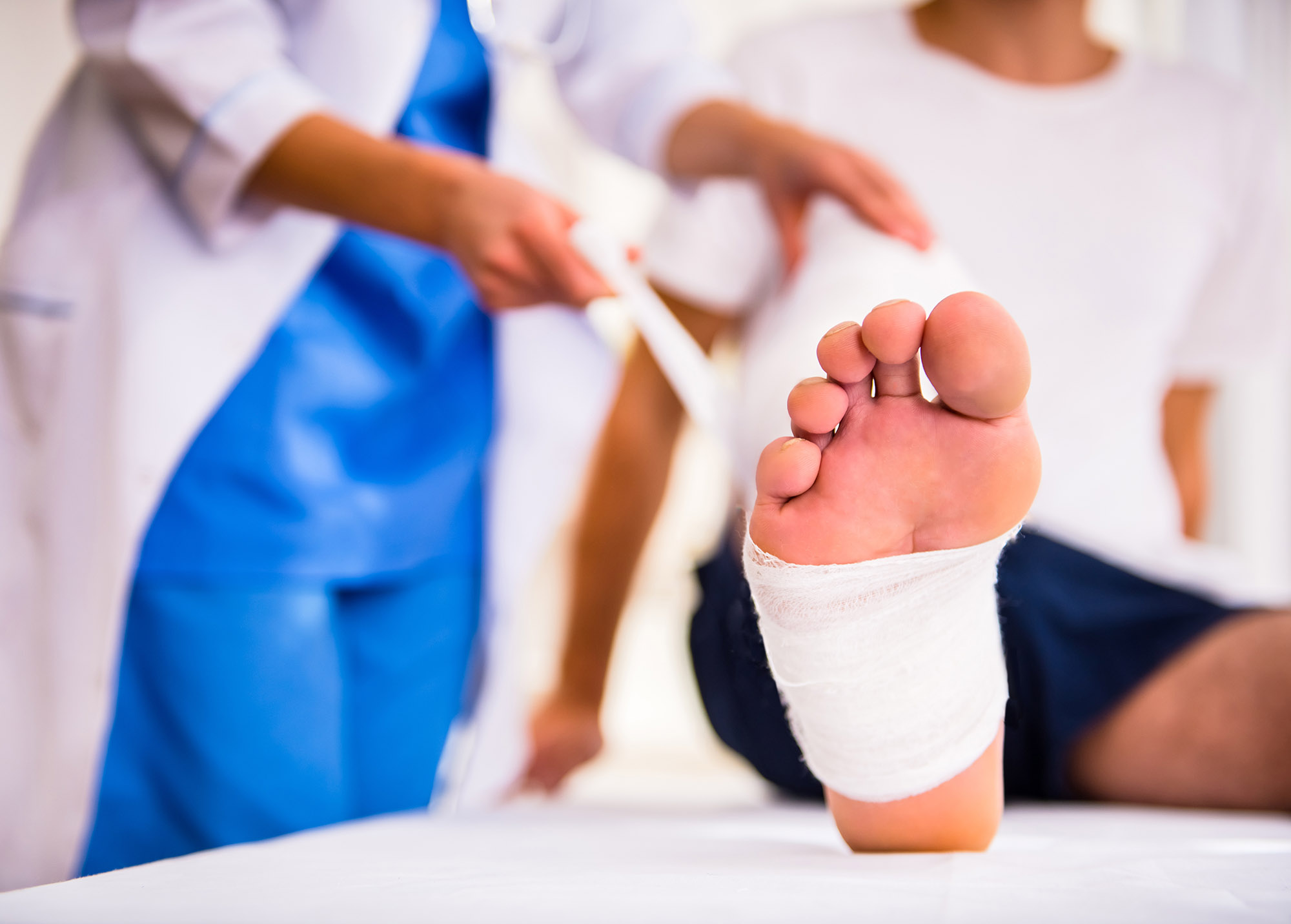
If you are thinking about pain monitoring accreditation, choose a provider that maps easily to the device, pushes you in practical circumstances, and provides functional responses. If you currently hold the credential, maintain using it intentionally. Pain is complicated. Clients remember who took it seriously, and your skill can be the difference in between a traumatic memory and a manageable one.